What makes a good health tourism website? A guide from the international patient’s point of view
What does an international patient look at first when they open your clinic website? From the treatment menu and accreditation to the online consultation form and Turkish data protection law, we explain what a health tourism website needs.

When you look at what a health tourism website should be through the eyes of an international patient, the answer becomes simpler: on the first screen, the patient wants to understand who they are talking to, which treatment they can receive and why they can trust you. If a clinic website cannot answer these three questions quickly and in the patient’s own language, the patient moves on to another provider.
In this guide we go through the sections of a multilingual site, one at a time, for dental, hair transplant, aesthetic and eye clinics and for health tourism intermediaries, often called medical tourism facilitators. Here we expand on the health tourism section of our website guide for tourism businesses, which also covers transfer and tour businesses. This article is not legal advice; on regulatory topics we point you to the official source.
What patients look for on the first screen of a health tourism website
A patient living in Germany, the United Kingdom or the Gulf countries comes to your site from an ad, a search result or a link sent by someone they know. Often on their phone, they look for answers to these questions on the first screen:
- Who you are: A clinic, a hospital or an intermediary, and which city you are in.
- What you do: Which treatment areas you offer.
- Why they should trust you: Your doctors, your accreditations and your certificates.
- How to reach you: Consultation form, WhatsApp and phone.
These four answers should be visible on the first screen, in the menu and the header area. Instead of a long welcome text or sliding images, a clear headline, a treatment menu and a visible consultation button guide the patient faster.
The site’s speed is part of trust too. A site that loads slowly, scrolls sideways on a phone or has buttons that are hard to tap can give the patient the impression that the provider is careless as well. Compress images, remove unnecessary plugins and test every page on a phone before launch.
The treatment menu: the headings patients look for
On your site, patients look for their treatment first, not for your organisation. Gather the treatment areas under one main menu and give each treatment its own page. Headings such as dental treatments, hair transplant, cosmetic surgery or obesity surgery should match the phrases patients type into search engines.
Every treatment page should include:
- A short, clear description of the treatment
- The steps of the process, from initial assessment to follow-up
- General, doctor-approved information on how long the patient should plan to stay in Türkiye
- The services included in the package: accommodation, transfers, an interpreter
- The doctor or team who performs the treatment
- A consultation form and a WhatsApp button at the end of the page
On treatment pages, avoid promising results and avoid words such as “guaranteed” or “the best”. The rules on promotion in healthcare are strict, and patients are wary of exaggerated promises.
At the end of every treatment page, add a short questions and answers section specific to that treatment. Collect from your team the questions patients ask most often in consultations, and have the answers approved by a doctor. This section makes the patient’s decision easier and gives search engines a page that answers those questions. Offering treatment, accommodation and transfers in one package follows the sales logic of tour packages; we explain this logic in detail in our article on the travel agency website.
Trust: accreditation, doctors and certificates
Accreditation and quality certificates
Show accreditation and quality certificates on the home page, close to the first screen. Instead of placing the logo on its own, explain briefly which organisation the certificate was issued to and what it covers, ideally together with the certificate itself. Patients trust information they can verify more than a logo.
Doctors and team
Prepare a profile for every doctor with a photo, specialty, education and the languages they speak. Link treatment pages to the relevant doctor profile. When patients ask for information, they want to know who they are talking to and who will be with them during treatment.
The information regulations require on the site
The Regulation on International Health Tourism and Tourist Health of 26 April 2025 (Resmî Gazete, the Turkish Official Gazette, as published) requires health facilities and intermediary organisations to have a website with a foreign language option. Under the regulation, the organisation name and title on the site must match the title and owner’s name on the authorisation certificate, and health facilities must also publish their accreditation certificate on the site.
For promotional activities, the same regulation applies the provisions of the Regulation on Promotion and Information Activities in Health Services of 29 July 2023 (Resmî Gazete, as published). That regulation bans before and after images that compare the effects of treatment and create demand, and it does not allow content that gives the impression of patients placing thank-you announcements.
The promotion regulation asks websites for two more things: the date the information on the site was last updated, and contact details for reaching the site editor, must be stated clearly. You can show both at the bottom of every page or on an imprint page. Before you put your site live, read the current texts, check compliance with your legal adviser and send your questions to the Turkish Ministry of Health.
Free consultation and WhatsApp
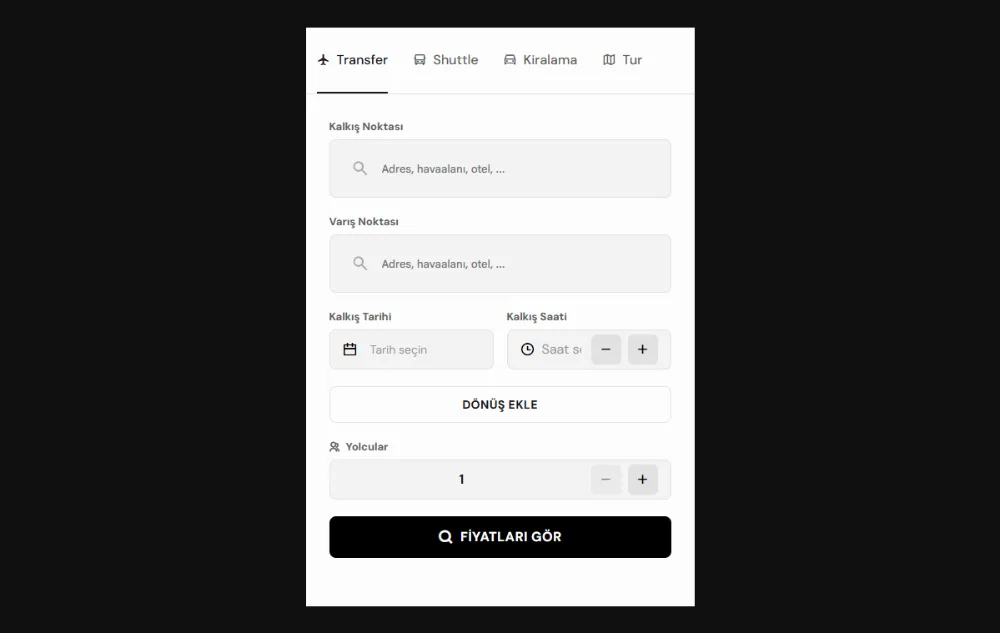
An international patient’s real goal on your site is to explain their situation to a specialist. That makes the online consultation form the most important conversion point on the site, and it should be within reach on every page. If you offer the consultation free of charge, say so clearly on the button. Keep the form short and ask only for the information you really need at first contact:
- Name, country and preferred language
- Phone or WhatsApp number and email address
- The treatment they are interested in
- A short description of their situation
- Optional photo and document uploads
- The privacy notice and explicit consent, depending on the legal basis your legal adviser sets
The WhatsApp button is a second door for patients who do not want to fill in a form. Keep the button fixed on every page and state next to it which languages you can reply in. For messages that arrive outside working hours, send an automatic first reply in the patient’s language and say when you will get back to them.
Tell patients what happens after the form, too. On a short thank-you page, explain who received the request, how the initial assessment will be done and through which channel they will hear back. This page is also useful for counting form submissions when you measure your ads.
Language and localisation: a multilingual clinic website
A multilingual clinic website is more than translated pages. Use the treatment names that people really search for in the target language, and have the texts read by an editor who is a native speaker of that language. Forms, error messages, automatic emails and WhatsApp templates should be in the same language too.
Localisation also covers the currency, the phone number format, the time zone and travel information from the patient’s country to Türkiye. We explain the hreflang structure needed to present each language version correctly to search engines in our multilingual website SEO guide. We cover which country and language to start with, step by step, in our article on attracting patients from abroad.
Where does the request land?
In health tourism, requests do not come from a single channel. If web forms, WhatsApp, Instagram messages and phone calls are spread across different people’s phones and inboxes, some patients never hear back. The site’s job does not end with collecting the request; where the request lands matters as much as the design.
Collect requests from every channel in one panel. Each record should show the patient’s language, the treatment they are interested in, the channel the request came from and its stage in the process. The patient tracking panel we describe on our health tourism page shows the status of every patient on one screen, from the first message to treatment and follow-up.
Define the stages of a request from the start too: new request, initial assessment, quote, confirmed date, treatment and follow-up. When the stages are clear, everyone on the team sees which patient is waiting with whom, and no request is left without an owner.
Patients who come from ads should land in the same structure. For health tourism businesses, we set up multilingual ad campaigns in target countries as part of our social media and digital marketing service, and connect the requests from these campaigns to the consultation form on the site and to the same panel.
KVKK and health data
The Turkish Personal Data Protection Law No. 6698 (KVKK) treats health data as a special category of personal data. Photos, X-rays and test results sent through the consultation form fall into this category and should be protected more carefully than the details in an ordinary contact form.
When you set up your site and your record system, consider these points together:
- A privacy notice and explicit consent on the form, or another legal basis your legal adviser sets
- Uploaded files kept in a secure area, not attached to emails
- Records accessed only by authorised people, with access logged
- Regular backups
- Documents received on WhatsApp not left on personal phones
Ask where the services you use keep their data, too. WhatsApp and cloud-based email, storage or form services may process data on servers abroad; this brings up the rules on transfers abroad in Article 9 of the KVKK. For patients from Europe, the data protection rules of their own countries may also apply.
This section is not legal advice and only summarises the technical side. Decide on the texts, the legal bases and the services you will use together with a legal adviser.
Frequently asked questions
Should prices be shown on the site?
For many treatments, the exact price becomes clear only after the doctor’s initial assessment. That is why many providers describe the services included in the package on the site and share the price as a personal quote after the consultation. Because the promotion regulation bans marketing methods such as inducements, prize draws and gifts, have your price and campaign texts checked before they go live.
How many languages should the site be in?
Start with the languages of the countries you receive or want to receive patients from. English is often the first language; add the others based on your target market. Every language needs a team behind it that can reply in that language, because a language the site offers but the consultation cannot support loses the patient at the first message.
How should doctors and accreditation be shown?
Prepare separate profile pages for doctors with a photo, specialty and education details, and link treatment pages to these profiles. Show accreditation and quality certificates on the home page with a short text that explains their scope. Check regularly that certificates are still valid and remove any expired certificate from the site.
A separate domain or a section on the existing site?
If your existing site is strong in search engines, opening a section for international patients with language folders (for example /en/ and /de/) lets you benefit from that visibility. If you offer your international service under a separate brand, a separate domain may be clearer. In both cases, the organisation name and title on the site must match the title and owner’s name on the authorisation certificate.
If you are planning a multilingual site that wins patients’ trust on the first screen for your clinic or intermediary organisation, take a look at our websites and e-commerce service. From our office in Antalya, we also work with businesses outside Antalya and abroad through the same process. When you are ready, let’s talk about your project.